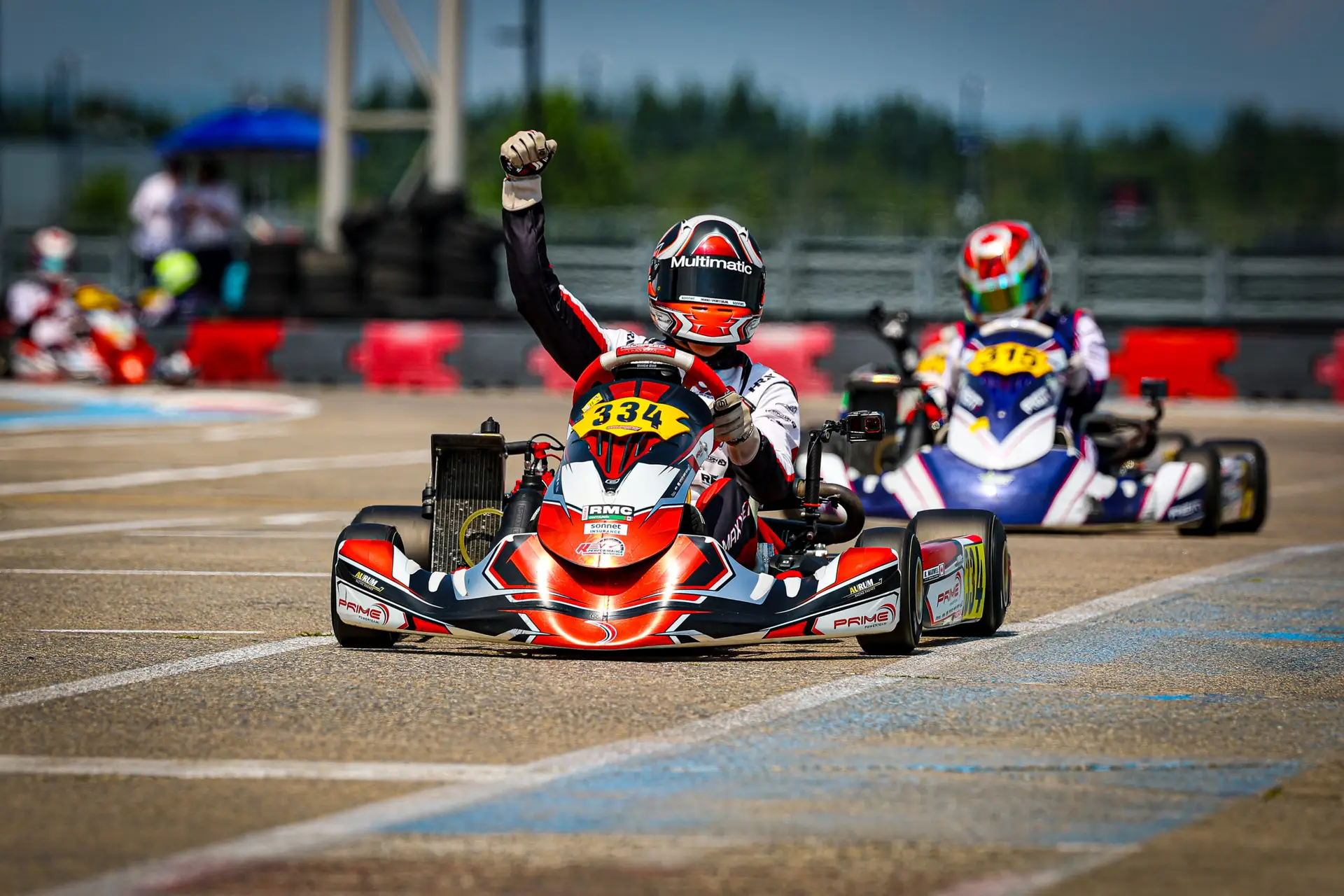
2026 is shaping up to be one of the busiest racing seasons yet. Between club racing, RMC Ontario, Kartstars and other championships, there are more opportunities to race than ever before. The reality is, most drivers won’t be able to do everything — and once the season starts, it doesn’t slow down. July and August in particular will feel relentless, with very little time to reset between events.
That’s why right now matters.
This is the calm before the storm — and what you do in this window will determine how your season plays out.
Set Your Goals First
Before you even open a race calendar, take a step back and define what a successful season looks like for you.
For some, success means fighting for — and winning — a championship.
For others, it might mean closing the gap to the front, improving consistency, or gaining experience at higher levels.
Everyone is at a different stage of their journey.
Start with the end in mind:
- What does success look like at the end of 2026?
- Where do you want to be as a driver?
Then work backwards:
- What steps need to happen to get there?
- What work needs to be put in?
- What races actually support that goal?
Don’t just race everything — race with intention.
Build Your Schedule (Be Realistic)
Once your goals are clear, it’s time to map out your season.
Get the calendar out and compare all the series you’re interested in. Be honest with yourself — it’s probably too ambitious to run everything.
A lot of drivers want to balance 2-stroke and 4-stroke programs, and that’s great — but it needs to be planned properly.
Ask yourself:
- Which series actually align with my goals?
- What is realistic from a time and budget standpoint?
- Where will I perform best?
A well-planned schedule beats an overloaded one every time.
Lock In Logistics Early
Once your schedule is set, start thinking about the details:
- Travel and hotels
- Time off work/school
- Equipment transport
If you’re planning to work with a mechanic or coach, involve them early. Share your schedule and confirm availability.
The worst situation is scrambling the week of a race only to find out they’re already committed elsewhere.
Get Your Equipment Race-Ready
Before the season starts, your kart should be 100% ready to go.
If you’re running last year’s chassis:
- Inspect it thoroughly
- Identify worn components
- Replace anything questionable
Think about the condition it last left the track in — is it truly race-ready, or does it need work?
Engines
Check the status of your engines:
- When were they last serviced?
- Are they ready for race conditions?
If it’s been a while, now is the time to get them refreshed — not mid-season.
If you’ve bought a new engine:
- Plan proper break-in time
Too many drivers waste valuable race weekend sessions breaking in engines. That should be done during ahead of any event on a practice day — not when track time matters most.
Shake Off The Rust
If you haven’t been in the kart for a while, don’t make your first race back a major event.
Get to your local club and:
- Rebuild your rhythm
- Refocus on fundamentals
- Get comfortable again in a low-pressure environment
The goal is simple — don’t show up to a key race trying to find your pace.
Plan Your Testing
If you’re racing at tracks you’re unfamiliar with, build testing into your schedule.
Give yourself:
- At least a day (ideally more) to get up to speed
- Time to understand braking zones, lines, and race flow
Testing is an investment — and it pays off on race day.
Stock Up on Parts & Consumables
Race weekends are always smoother when you’re prepared.
Go through everything and build a list:
- Chains, sprockets, gear oil
- Chain lube, brake cleaner
- Spare bolts, nuts, and common wear items
Having what you need on hand saves time, stress, and missed sessions.
Have a Plan for Coaching & Data
If you’re serious about improving, have a plan for how you’ll review your driving.
At minimum:
- A camera (GoPro or similar)
- A proper mounting solution
More advanced setups like data systems or SmartyCam can add value, but only if you’re actually reviewing the footage and learning from it.
The key isn’t just recording — it’s using the information.
Study the Track (Before You Arrive)
Preparation doesn’t stop at the track — it starts before you get there.
For new tracks:
- Watch onboard videos (Check Youtube, you can usually find plenty of examples)
- Identify potential braking zones and overtaking areas
- Take notes ahead of time
For tracks you already know:
- Review last year’s footage
- Identify what worked and what didn’t
- Compare your driving to others
The more prepared you are before you unload, the faster you’ll be up to speed.
Final Thoughts
Once the season starts, it moves fast. There’s very little time to reset, rethink, or reorganize.
The drivers who are prepared now are the ones who stay consistent when things get busy — and consistency is what wins championships.
This is the calm before the storm.
What you do now will decide how you perform when it hits.